Recent News
Xuebiao Deng and Guoying Yao published a paper in the journal Physical Chemistry Chemical Physics
Controlled formation of silicon–silicon (Si–Si) bonds is essential for advancing silicon-based materials,but existing synthetic methods often require harsh conditions or metal catalysts. In a previous work, we accidentally found that Si–Si bond formation can be achieved via dehydrogenative coupling on hydrideterminated silicane (HSi), without the aforementioned harshness, in the presence of dimethyl sulfoxide (DMSO), a Lewis base (LB). Despite this serendipity, the general knowledge of how the structural and electronic properties of LBs affect the reaction efficiency remains unknown. Here, we address this gap by systematically investigating a broad range of LBs for this catalysis. Kinetic analysis reveals pronounced, structure-dependent variation in catalytic activity, modulated by the interplay of basicity, steric accessibility, and electronic stabilization of the intermediate. By integrating experimental kinetics with density functional theory (DFT) calculations, we identify the Si+(SiH3)3 affinity as a unified descriptor that quantifies the nucleophilic engagement of LBs in catalyzing Si–Si formation. This parameter correlates strongly with both calculated activation barriers and experimental performance across oxygen-, nitrogen-, and sulfur-based LBs, suggesting its potential utility as a guiding descriptor for catalyst design.
Read More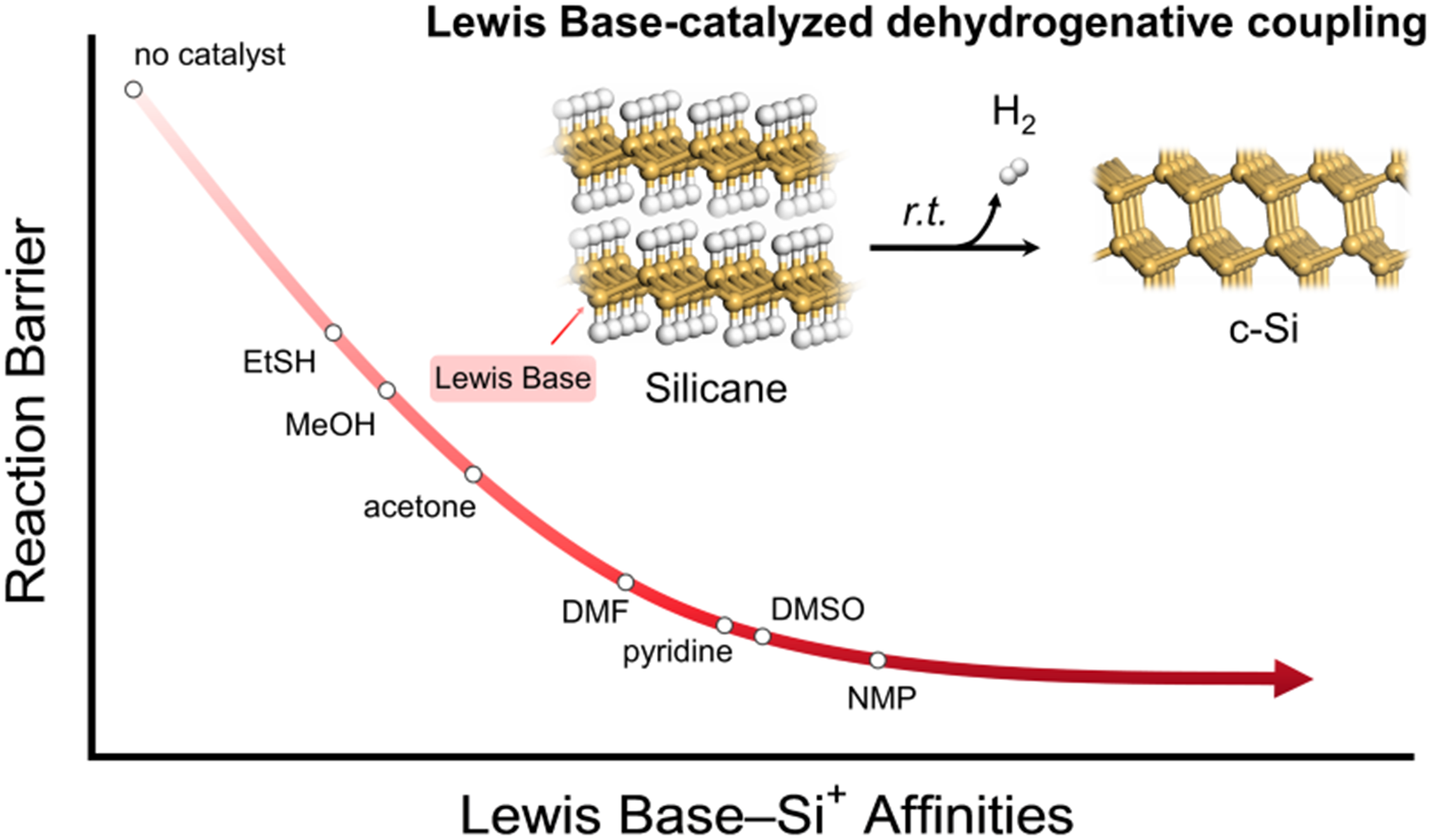
Guoying Yao published a paper in the journal Chemistry of Materials
Stacking engineering in van der Waals heterostructures offers a powerful route to modulating band alignment and carrier dynamics. Here, we present a theoretical investigation of SiH/GeH van der Waals heterostructures with different stacking configurations. Distinct stacking-dependent band alignments are identified, with the most stable stacking exhibiting a Type-I alignment and the others adopting Type-II alignments. Time-dependent density functional theory combined with regional natural hole/particle orbital analysis demonstrates that strong interlayer coupling between conduction bands enables photoinduced interlayer charge-transfer excitations even in the Type-I alignment. Nonadiabatic molecular dynamics simulations further uncover a pronounced asymmetry between photoelectron and -hole dynamics, leading to ultrafast electron transfer (∼0.5 ps) and long-lived hole localization (∼20 ps). These results reveal a functional charge-separation mechanism in Type-I heterostructures and establish stacking engineering for controlling excited-state dynamics.
Read More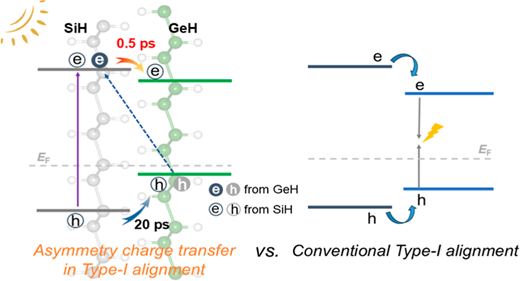
Ms. Wenxuan Li successfully completed her doctoral dissertation defense
On May 19, 2026, Ms. Wenxuan Li successfully completed her doctoral dissertation defense in Room B409 at the School of Chemistry, Sun Yat-sen University. The dissertation titled “Structural Design, Synthesis and Applications of Two-Dimensional Metal Halide Perovskites with Sulfur/Selenium-Containing Intercalating Cations” systematically investigated the regulation mechanisms of optoelectronic properties in perovskite materials. The defense committee consisted of Professor Daibin Kuang (Chair) from Sun Yat-sen University, Professor Xiaozhen Pan from South China Agricultural University, Professor Wuqiang Wu from Sun Yat-sen University, Researcher Mingzhu Long, from South China Normal University, and Associate Professor Baiquan Liu from Sun Yat-sen University. All members of the research group extend their congratulations to Ms. Wenxuan Li and wish her greater achievements in the future!
Read More

Huai Chen published a paper in the journal Frontiers in Chemistry
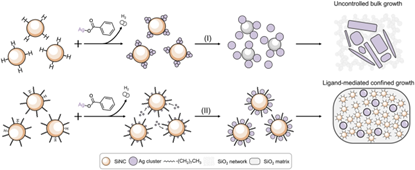
Plasmonic nanoparticles (NPs) enable exceptional light harvesting via localized surface plasmon resonances (LSPR), yet their photocatalytic utility is limited by ultrafast charge recombination and surface contamination from synthesis. Here, we overcome these challenges by applying the surface chemistry of silicon nanocrystals (SiNCs) to synthesize hybrid nanostructures of uncoated silver nanoparticles (AgNPs). The alkyl-passivated SiNC surface acts as a reductive template, guiding the in-situ formation of clean, interfacially coupled AgNPs while protecting the SiNC core from oxidation. This tailored architecture leverages a synegiestic mechanism to enhance AgNP plasmon resonance, drive efficient hot-electron transfer and improve charge carrier separation. The resulting Ag@SiNC hybrid achieves improved CO2 reduction performance, with a CO yield of 1,552 μmol/g and near 100% selectivity under visible light irradiation. This work establishes surface-engineered SiNCs as a versatile platform for designing high-performance plasmonic–semiconductor photocatalysts.
Paper Link:https://doi.org/10.1039/D5QM00646E
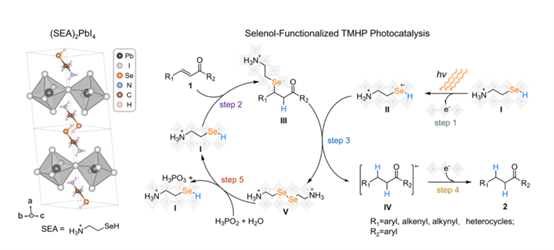
Wenxuan li published a paper in the journal Chemical Science
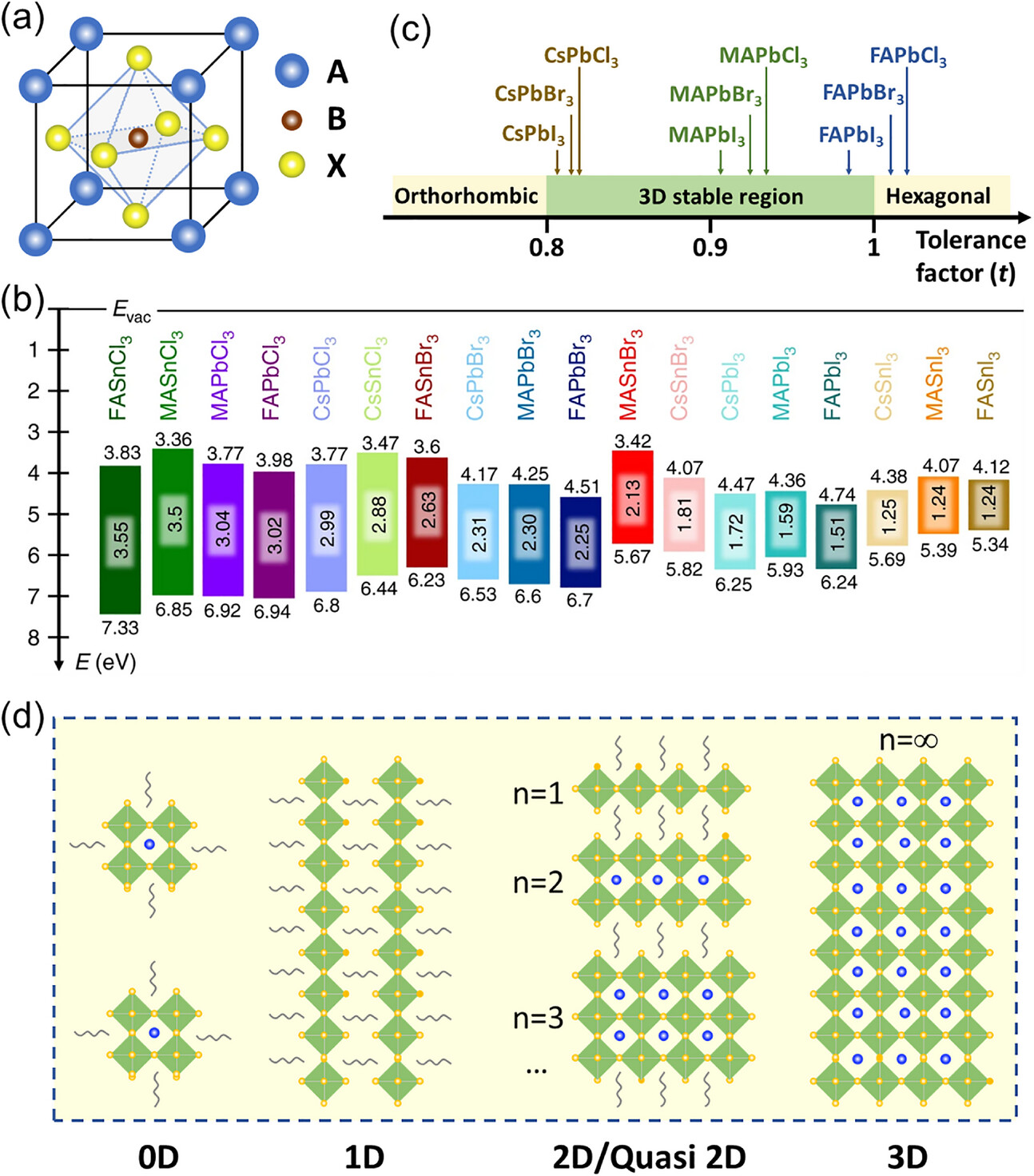
Semiconductors have shown growing promise for photocatalytic reactions due to their tunable band structures and efficient charge separation capabilities. Among them, metal halide perovskites (MHPs) have emerged as particularly attractive candidates owing to their intense light absorption and favorable charge transport properties; yet inefficient charge utilization often occurs in MHP-based photocatalysis due to undesired interfacial charge losses and lattice mismatches within the heterostructures. Herein, we report a two-dimensional perovskite (TMHP) photocatalyst, where selenol-functionalized organic cations are integrated into the lattice as both structural components and catalytic sites. This design enables efficient photoinduced charge separation and transfer from the [PbI4]2− layers to the selenol groups, achieving visible-light-driven reduction of α,β-unsaturated ketones with up to 87% yield across diverse substrates. Mechanistic studies reveal a radical-mediated pathway facilitated by the polarized lattice environment. This work demonstrates a new strategy for engineering molecular functionality into semiconductor lattices and creating integrated, efficient photocatalytic systems.
Paper Link:https://doi.org/10.1039/D5SC09706A
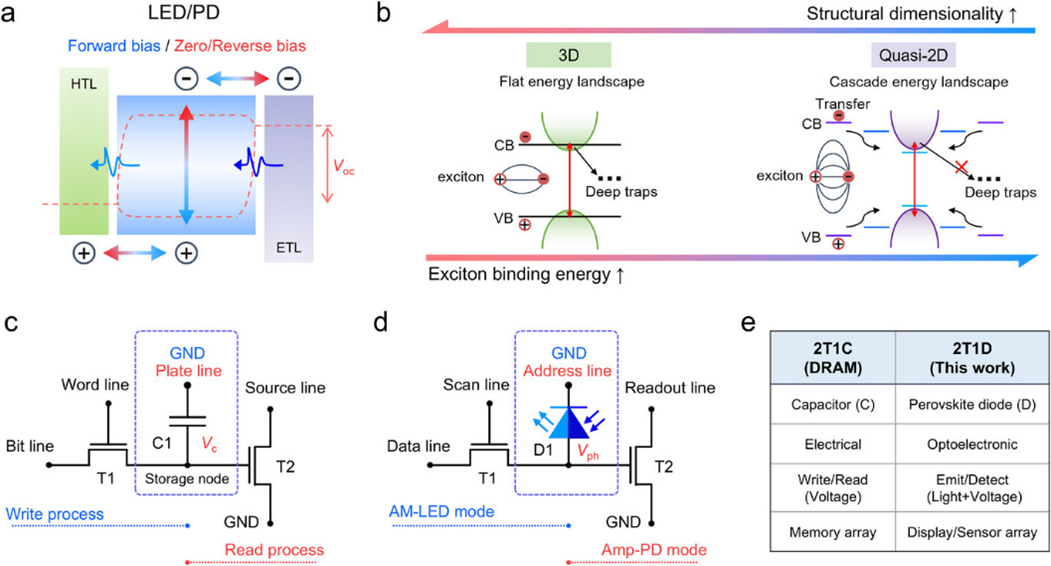
Our team contributed in collaborative research on Photovoltage-Driven Two-Transistor–One-Diode Perovskite Pixels, with the finings published in Advanced Materials
In-cell optical sensing displays are essential for next-generation interactive electronics, yet conventional architectures rely on separate light-emitting diodes (LEDs) and photodetectors (PDs), limiting pixel density and efficiency. Achieving both functions within a single diode is intrinsically difficult because electroluminescence requires strong excitonic recombination, whereas photodetection benefits from efficient carrier separation. Here, we realize stable dual-mode operation by stabilizing intermediate quasi-2D phases and suppressing non-radiative losses with a fluorinated acid passivator, and by engineering high-mobility transport layers with a dissociative (type-II) perovskite/electron transport layer heterojunction to assist exciton dissociation under photovoltaic operation. The resulting bifunctional diode enables an opto-dynamic random-access memory (opto-DRAM) pixel, a two-transistor–one-diode (2T1D) architecture conceptually analogous to a two-transistor–one-capacitor (2T1C) DRAM gain-cell, where photovoltage-driven rather than photocurrent-driven detection enables self-amplified sensing when coupled to thin-film transistors. The sky-blue PeLED achieves an external quantum efficiency of 20.4% at 100 cd m-2 and a record power efficiency of 41.8 lm W-1, while as the coupled sensing pixel it exhibits a maximum responsivity of 4.17 × 10⁴ A W-1 and a specific detectivity of 6.46 × 10¹³ Jones. Monolithic integration yields an active-matrix display capable of switchable emission and imaging functions offering a scalable platform for compact, energy-efficient, and multifunctional optoelectronics.
Paper Link:https://doi.org/10.1002/adma.202522776
Yang group’s 2025 year-end dinner
On December 26, 2025, the Yang Group held its annual year-end dinner at Nancun Wanbo. Prof. Yang invited all 16 members of the group (including two postdoctoral researchers and three undergraduates) to gather together and celebrate the arrival of 2026. Prof. Yang expressed gratitude to everyone and extended sincere New Year’s wishes. It is believed that in 2026, the Yang group will continue to make steady progress in scientific research and create more memorable moments together. With the New Year just around the corner, we wish each member every success in their work and happiness in their personal lives in the year ahead. We look forward to getting together again next year.
Read More
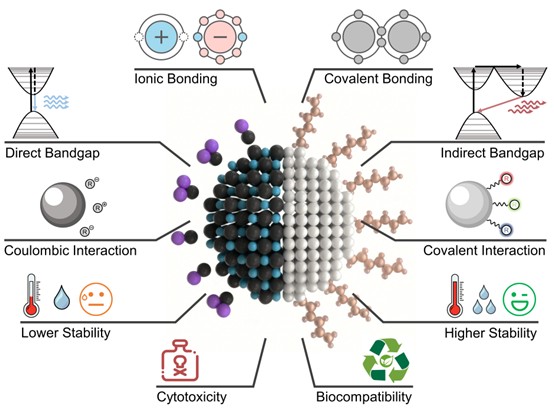
The review focusing on the recent progress of Si/Ge NC surface chemistry and application was published in the journal Mater. Chem. Front.
Colloidal silicon and germanium nanocrystals (Si/Ge NCs) have been of immense interest as fundamentally important semiconductor nanomaterials in the past decades due to their distinct covalent bonding characteristics, quantum-confined optoelectronic properties, high materials stability and biocompatibility. Significant advances in surface chemistry have enabled these NCs to serve as versatile material platforms where precisely engineered ligand environments control optical responses, charge transport behaviors, and device performance. This review systematically examines the evolution of surface functionalization strategies, encompassing both conventional passivation methods and innovative ligand architectures, for the property manipulation of Si/Ge NCs. The critical role of surface chemistry in enabling diverse applications, including optical devices, optoelectronic devices, and energy conversion/storage systems, is comprehensively discussed. Special attention is given to elucidating the fundamental relationships between surface chemical modifications, nanocrystal properties, and their resulting device performance.
Journal Feature:https://mp.weixin.qq.com/s/pIaLyDrmufN3HVB-OTgMOw
Paper Link:https://doi.org/10.1039/D5QM00646E
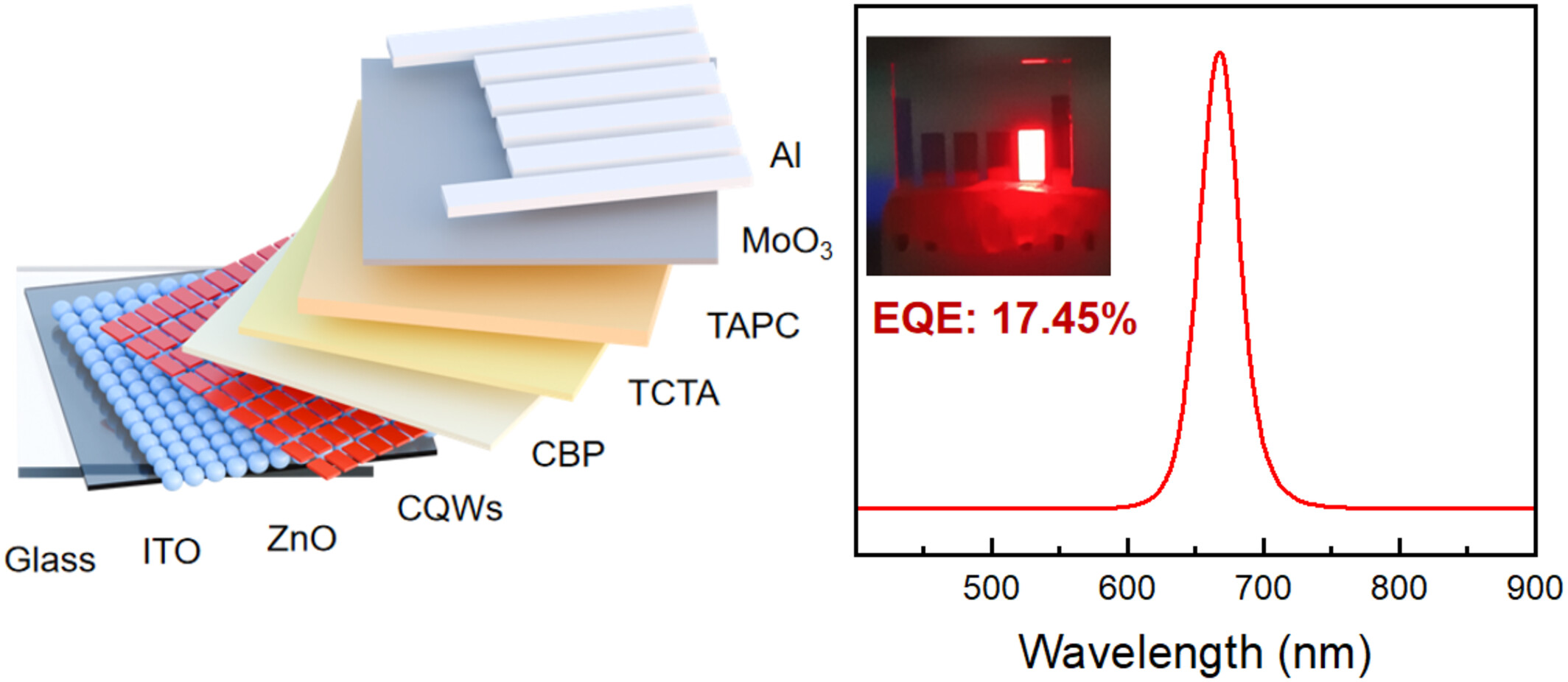
Our joint research on quantum well-based red light-emitting diodes was recently published in InfoMat
Our joint research on quantum well-based red light-emitting diodes was recently published in InfoMat. This paper develops a colloidal quantum well light-emitting diode with long-wavelength emissions. The research significantly improved charge balance within the device by designing and implementing a triple-hole transport layer structure that effectively regulates the internal charge distribution. The fabricated quantum well films exhibit high photoluminescence quantum yield. The resulting LEDs demonstrated high external quantum efficiency, high luminance, extremely low efficiency roll-off, and excellent color saturation and stability. This charge regulation strategy was proven to be universal, effectively enhancing the performance of other-color quantum well LEDs and even quantum dot LEDs. This work provides a new approach and an effective charge management method for developing high-performance two-dimensional nanocrystal LEDs, particularly in the long-wavelength emission region.
Paper Link:https://doi.org/10.1016/j.nanoen.2025.111026
A collaborative review on the recent progress of perovskite solar cells was recently published in Advanced Materials
A collaborative review on the recent progress of perovskite solar cells was recently published in Advanced Materials, This review provides a systematic overview of the overall development of diverse perovskite solar cells. It encompasses major material systems including organic-inorganic hybrid perovskites, all-inorganic perovskites, lead-free perovskites, and metal-free perovskites, extending the discussion to low-dimensional and single-crystal perovskites. The article highlights that despite significant progress in laboratory efficiency, the commercial viability of perovskite solar cells continues to be hindered by fundamental challenges such as instability, lead toxicity, and difficulties in large-area fabrication. To address these issues, the field is focusing on strategies like composition engineering, dimensional control, interface modification, and defect passivation to enhance material properties and device stability. Future advancement hinges on balancing high efficiency with robust stability, developing environmentally benign materials, and facilitating the transition from laboratory research to industrial application.
Paper Link:https://doi.org/10.1002/adma.202512221
Jingpeng Li published a paper in the journal Nat. Commun.
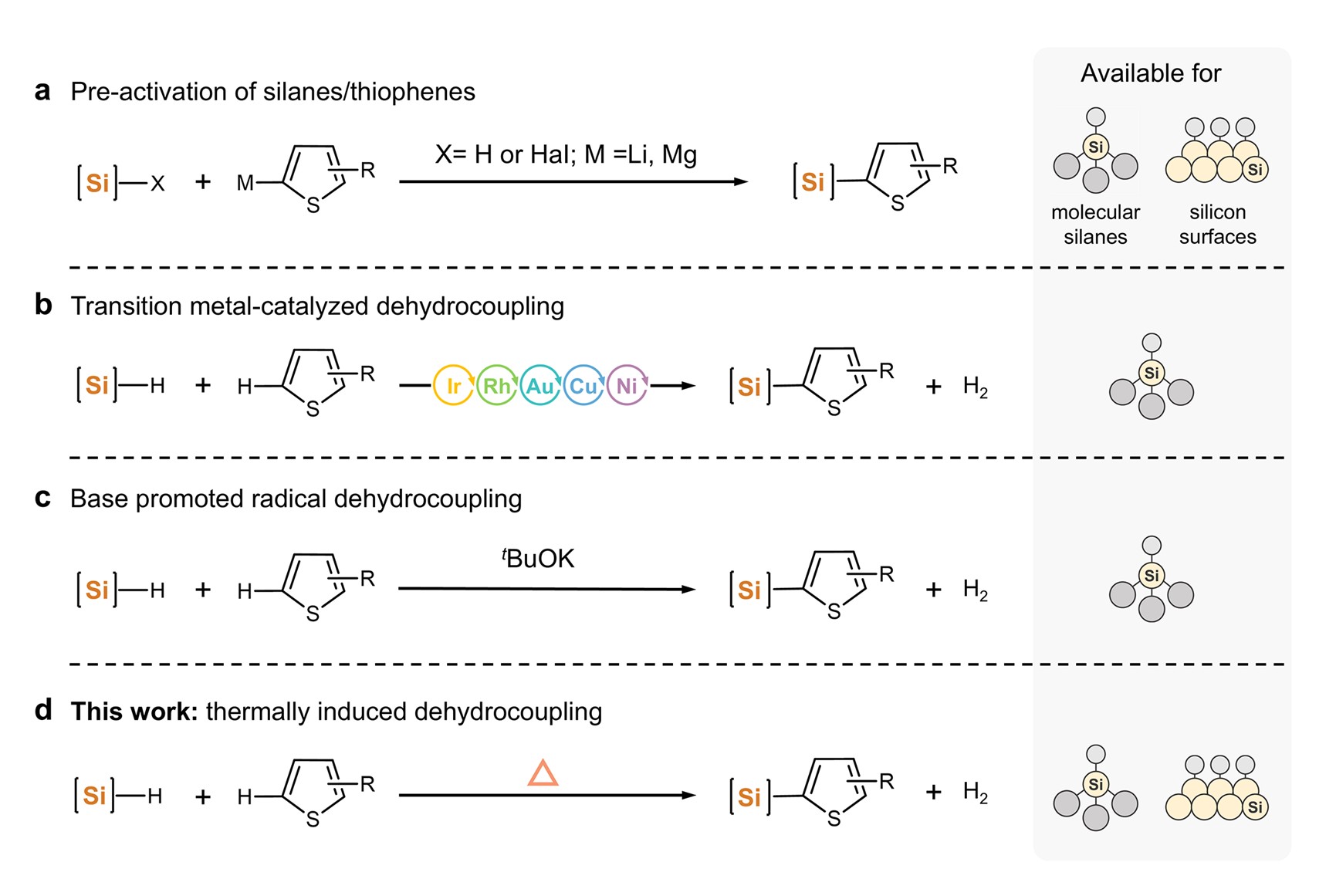
The paper is titled “Direct Dehydrocoupling Facilitates Efficient Thiophene Anchoring on Silicon Surfaces”. Silicon is a cornerstone material in electronics and photovoltaics due to its abundance, tunable semiconducting properties, and chemical versatility. Direct anchoring of thiophenes, with their highly delocalized aromatic backbones, onto silicon surfaces offers a promising route to tailor charge carrier migration properties. However, current methods for anchoring thiophenes commonly rely on pre-activation of precursors or transition-metal catalysts. Here, we introduce a catalyst-free radical strategy for direct linkage of thiophenes with Si atoms on organosilanes and silicon surfaces. This method leverages thermally induced homolytic cleavage of Si-H bonds to generate silicon radicals, which undergo efficient hydrosilylation with thiophene rings, forming Si-C linkages and releasing H2. We demonstrate the successful application of this approach on silicon surfaces, achieving functionalization with thiophenes that enhance charge carrier mobilities in silicon nanocrystals significantly higher than previously reported alkyl-functionalized SiNCs, indicating the significant potential of catalyst-free dehydrocoupling for advancing silicon-based materials in optoelectronic applications.
Paper Link:https://doi.org/10.1038/s41467-025-62002-7
Wenxuan Delivers Academic Presentation at 50th World Chemistry Congress
On July 18, 2025, Ms. Wenxuan Li (Ph.D. Candidate) attended the 50th World Chemistry Congress in Kuala Lumpur, Malaysia, where she delivered an academic presentation titled “Branched-Cation Engineered 2D Perovskite Materials: Structural Evolution and Optoelectronic Applications” in the Inorganic and Bioinorganic Chemistry sub-forum. Her presentation highlighted the research progress in molecular design strategies for structural modulation and optoelectronic property optimization of two-dimensional metal halide perovskites.
Read More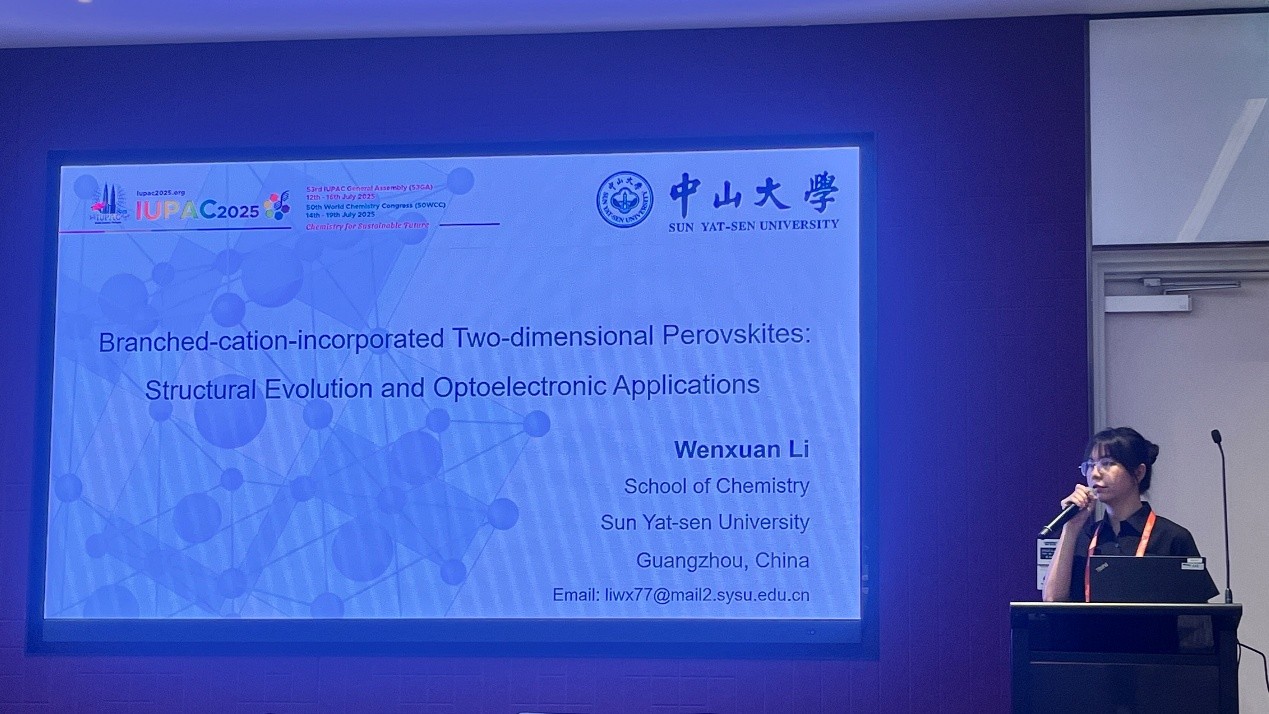
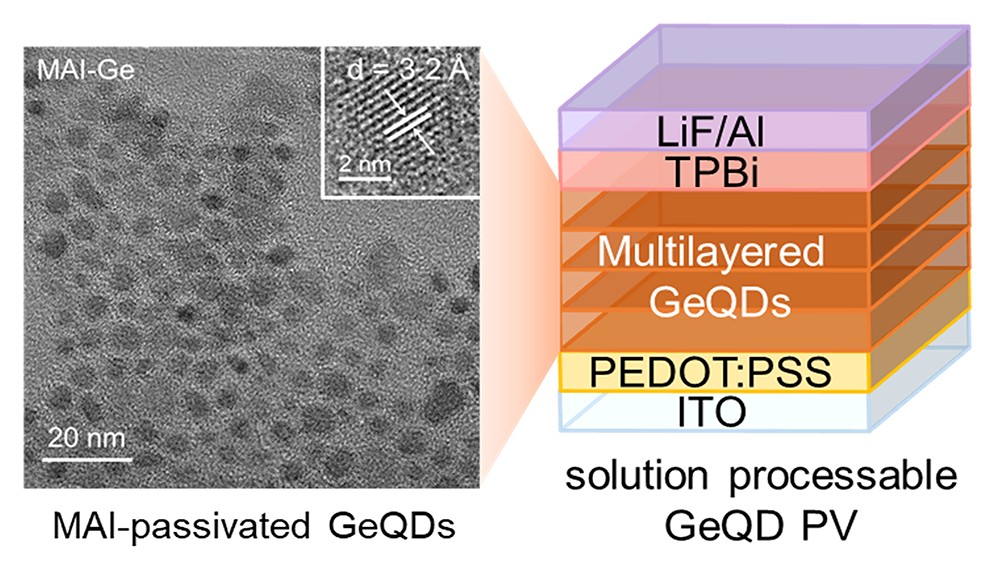
Meiqi Lin published a paper in the journal ACS Appl. Electron. Mater.
The paper is titled “Enhancing charge carrier mobilities in colloidal germanium quantum dot solids via solid-state ligand exchange”. The optoelectronic tunability and solution processability of colloidal germanium quantum dots (GeQDs) make them highly attractive as active materials for thin film optoelectronics. However, while long-chain aliphatic ligands can effectively protect GeQD surfaces from oxidation and enhance colloidal stability, their insulating nature severely impedes charge carrier transport within the GeQD active layer. In this study, we introduce a solid-state ligand exchange (SSLE) approach using methylammonium iodide (MAI) to replace the insulating oleylamine ligands, thereby enhancing charge carrier mobilities in the GeQD thin film. We demonstrate that a low concentration of MAI effectively substitutes OAm on GeQD surfaces while preserving the structural integrity of the crystalline core. The resulting MAI-passivated GeQD films exhibit significantly reduced trap densities and enhanced hole and electron mobilities compared to their OAm-passivated counterparts. Furthermore, we fabricate solar cells using a layer-by-layer SSLE process to construct a multilayered GeQD active layer, achieving a power conversion efficiency of up to 1.64 × 10⁻³ %, a significant improvement over previously reported GeQD photovoltaics.
Paper Link:https://doi.org/10.1021/acsaelm.5c00777
Meiqi Delivers Academic Presentation at China Materials Conference 2025
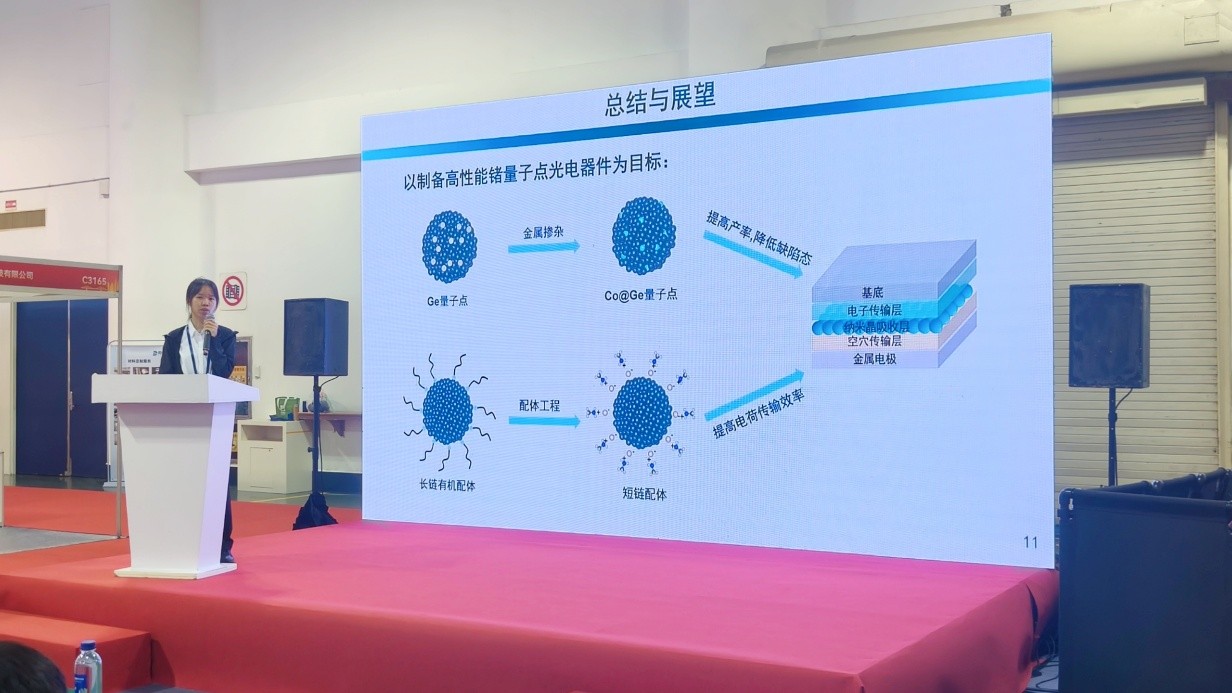
On July 7, 2025, Ms. Meiqi Lin (Ph.D. Candidate) attended China Materials Conference 2025 in Xiamen and delivered an academic presentation titled “Doping-Assisted Synthesis and Ligand Engineering of Colloidal Germanium Quantum Dots for Photovoltaic Applications” at the Frontier Flash Talks for Young Scholars sub-forum. Her report focused on the fabrication of high-performance optoelectronic devices using colloidal germanium quantum dots (GeQDs), highlighting her research group’s latest advances in doping-assisted synthesis and surface modification strategies for GeQDs.
Read More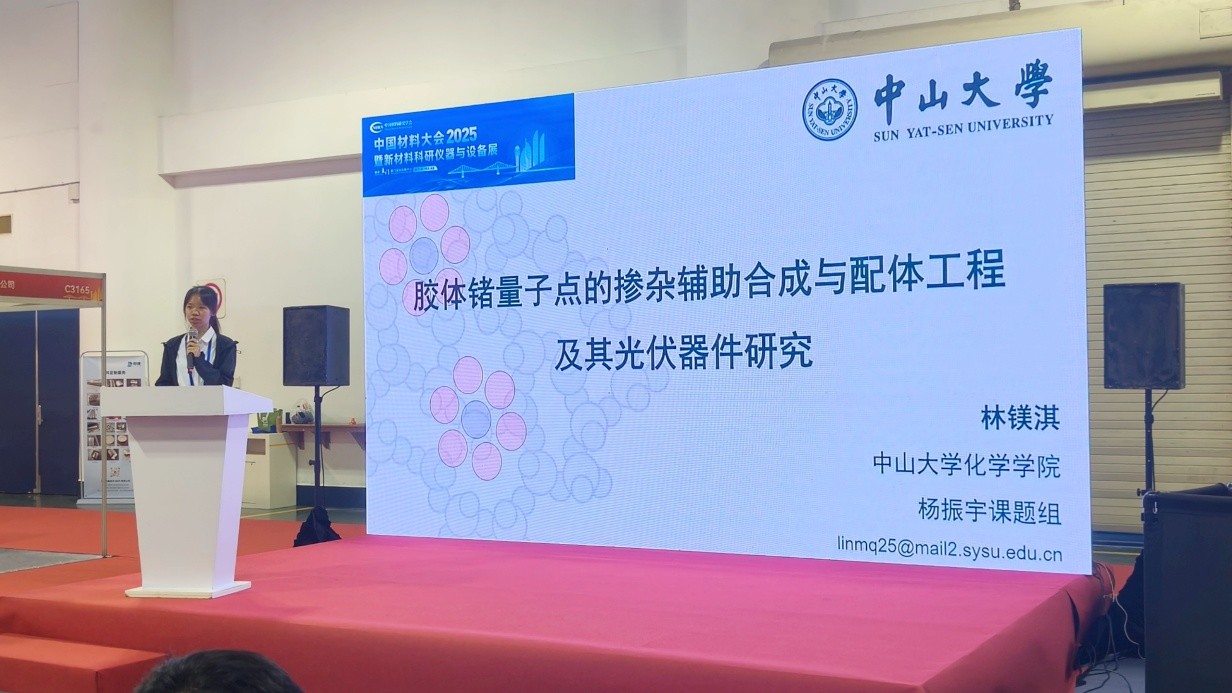
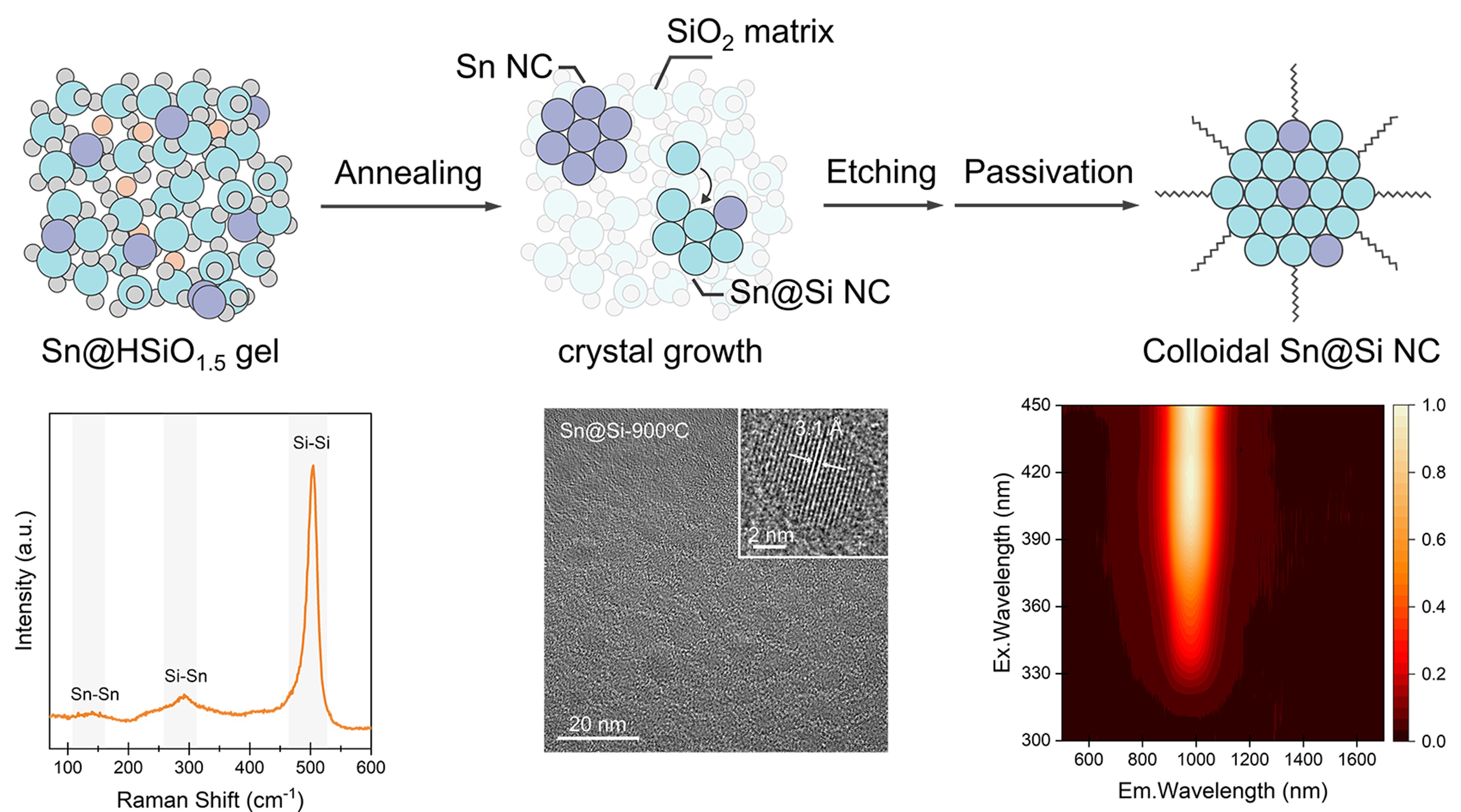
Junya Bao published a paper in the journal Chem. Commun.
The paper is titled “Solid-state synthesis of colloidal tin-incorporated silicon nanocrystals”. The incorporation of tin (Sn) into crystalline silicon (c-Si) is challenging due to their substantial atomic size mismatch and the rigid diamond-type structure of c-Si. Herein, we demonstrate a solid-state synthetic approach of colloidal Sn-incorporated silicon nanocrystals with Sn content up to 0.12 atomic%. The incorporation of Sn atoms promotes silicon crystal growth, yielding NCs with increased size and enhanced crystallinity. The resulting particles exhibit intense near-infrared photoluminescence at 985 nm and demonstrate excellent thermal stability.
Paper Link:https://doi.org/10.1039/D5CC03024B
Ms. Guoying Yao successfully completed her doctoral dissertation defense
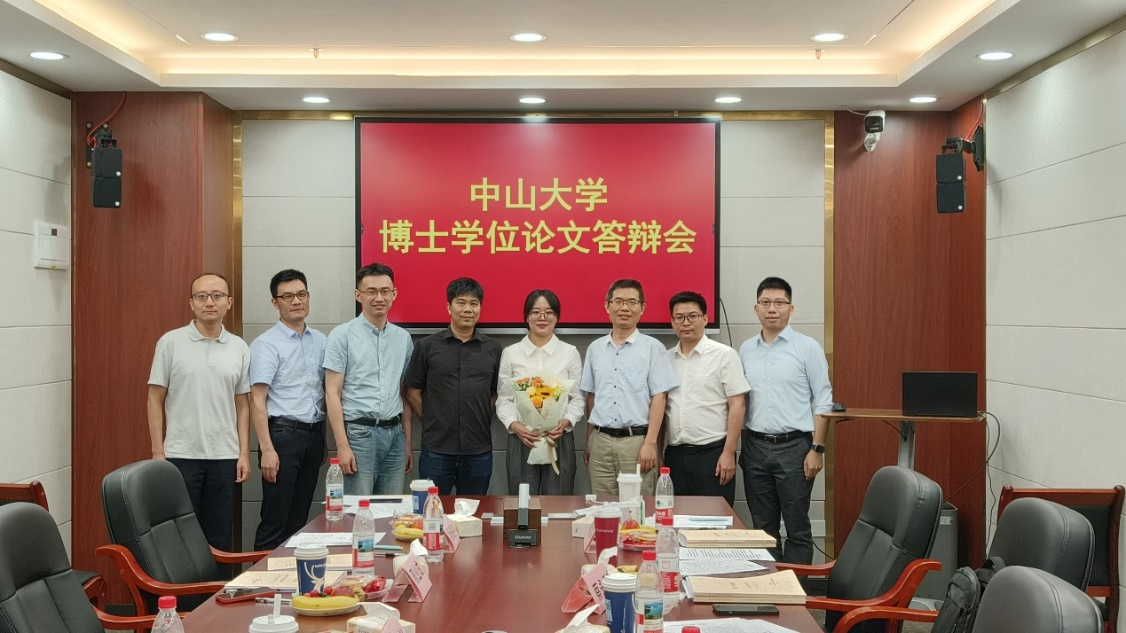
On May 16, 2025, Ms. Guoying Yao successfully completed her doctoral dissertation defense in Room B413 at the School of Chemistry, Sun Yat-sen University. The dissertation titled “Theoretical Studies on the Optoelectronic Properties of Two-Dimensional Silane” systematically investigated the regulation mechanisms of optoelectronic properties in two-dimensional silane materials. The defense committee consisted of Professor Zhiji Han (Chair) from Sun Yat-sen University, Assistant Professor Yongqing Cai from University of Macau, Professor Jun He from Guangdong University of Technology, Professor Jiuxing Jiang, Associate Professor Wen Shi, and Associate Professor Yecheng Zhou from Sun Yat-sen University. All members of the research group extend their congratulations to Ms. Guoying Yao and wish her greater achievements in the future!
Read More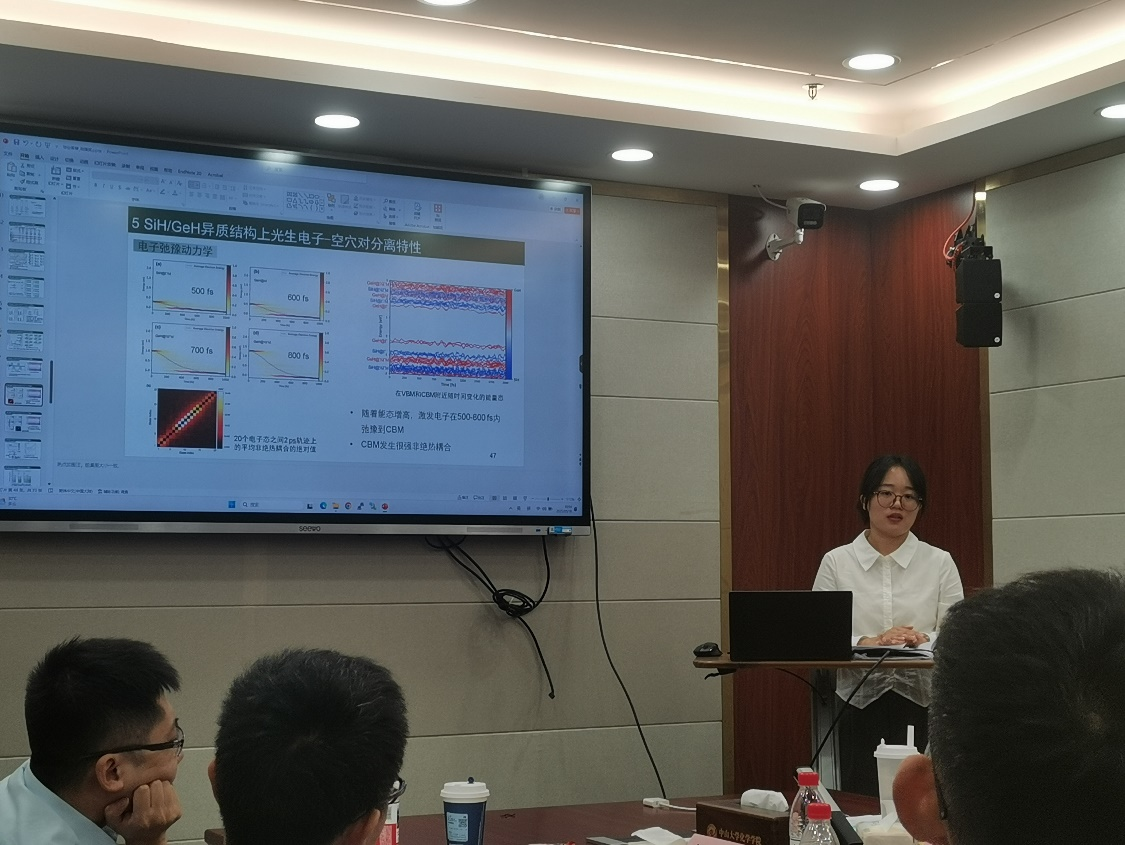
Professor Yongqing Cai Visits Our Institute and Delivers an Academic Lecture
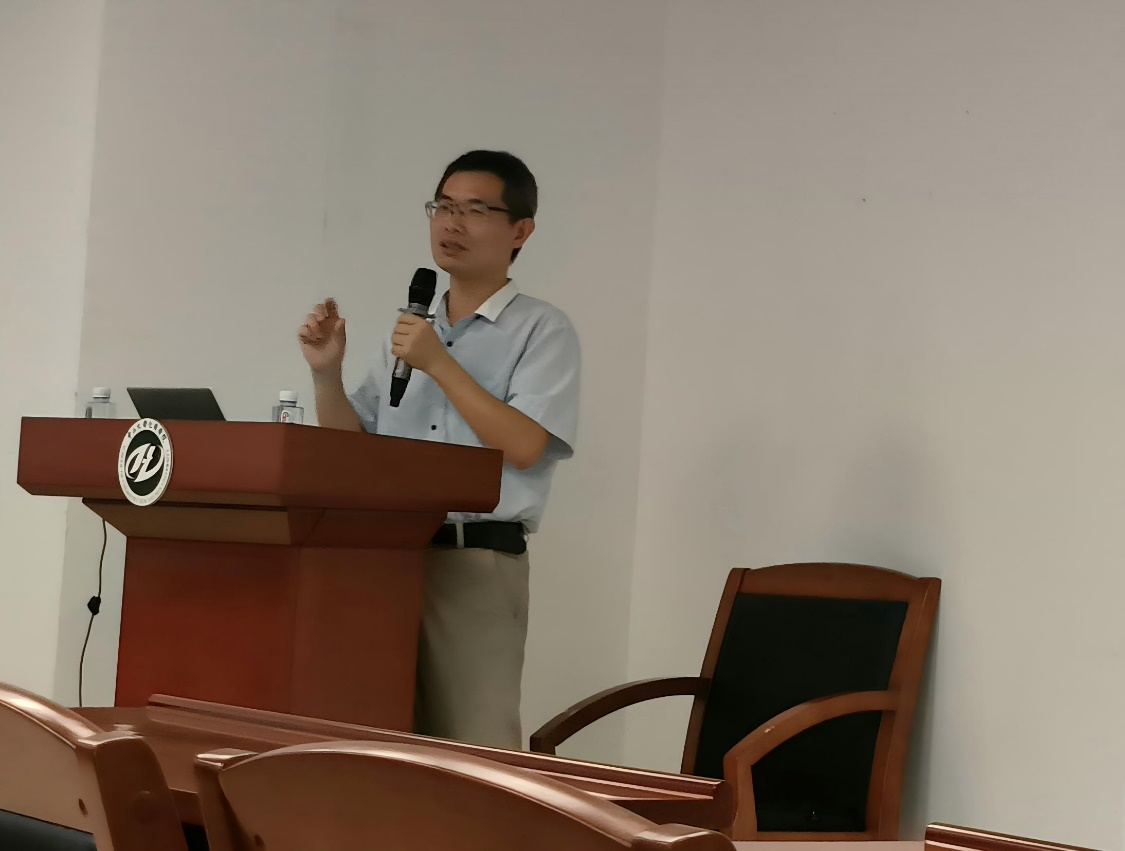
On May 15, 2025, Professor Cai Yongqing from the University of Macau was invited to visit and delivered an academic lecture titled “Material Design Based on First-Principles Calculations” in Room A301 of the School of Chemistry. The lecture focused on the latest research progress in phase engineering and catalytic design of two-dimensional materials. The lecture was chaired by Professor Zhenyu Yang, with active participation and discussion from faculty members and students.
Read More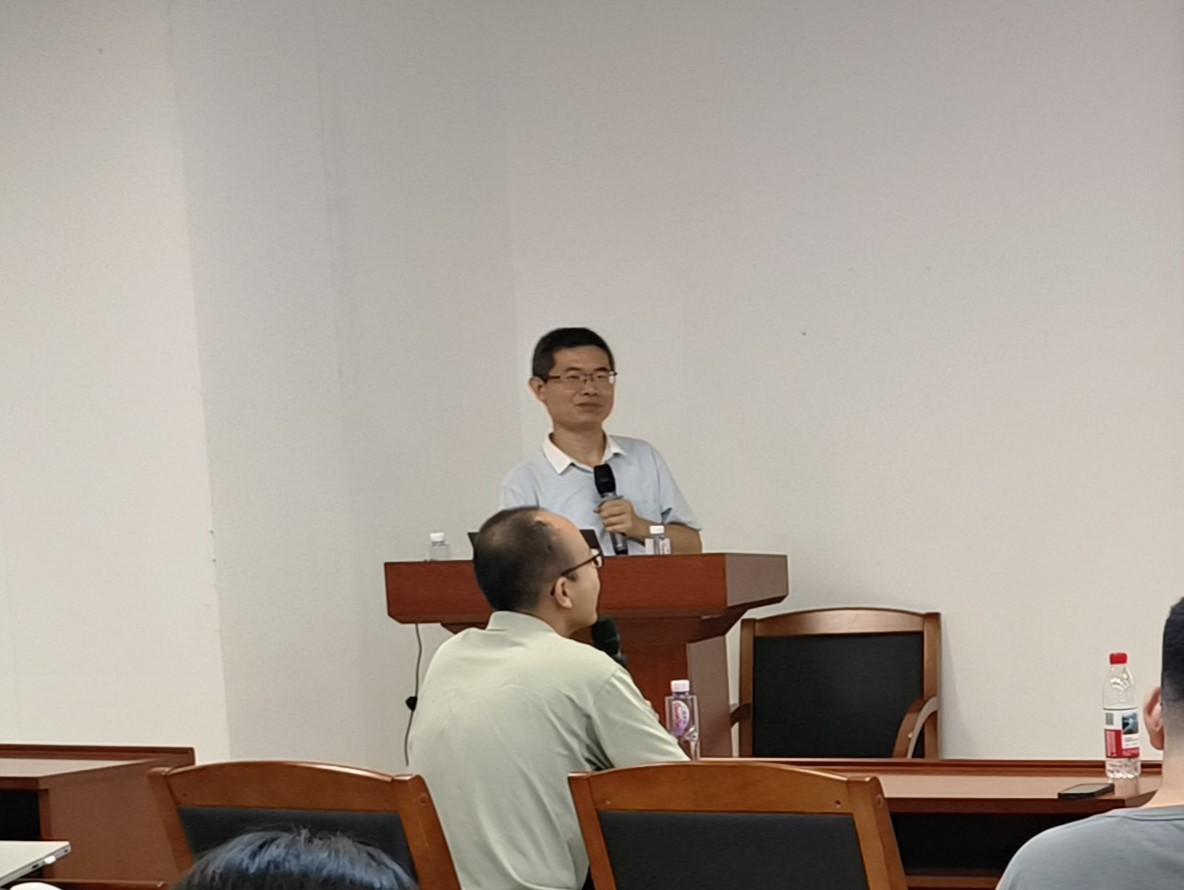
Our team contributed in collaborative research on quantum dot-based infrared photodetectors, with the finings published in Nano Energy
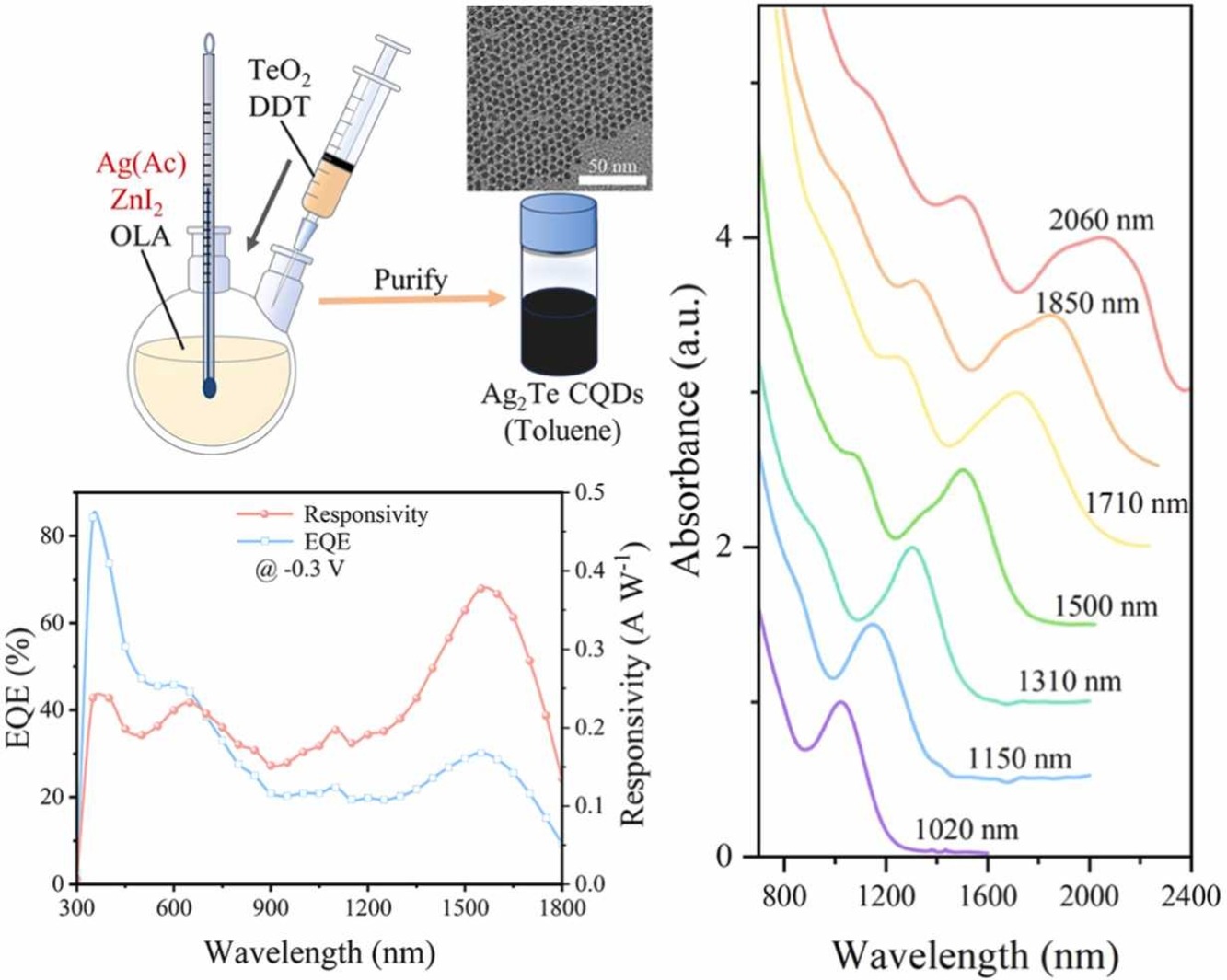
Our team contributed in collaborative research on quantum dot-based infrared photodetectors, with the finings published in Nano Energy, A novel zinc halide-controlled synthesis method has successfully produced highly monodisperse Ag2Te colloidal quantum dots. By forming silver-halogen complexes to regulate precursor reactivity, this approach enables one-step hot injection synthesis of uniformly sized quantum dots with tunable optical bandgaps. The strategy not only simplifies the process but also significantly enhances surface passivation, effectively reducing defect states. The resulting short-wave infrared photodetectors demonstrate excellent overall performance at 1550 nm, featuring high responsivity and external quantum efficiency while maintaining low noise levels and good operational stability. This advancement provides a new technical pathway for developing environmentally friendly, high-performance infrared detection materials.
Paper Link:https://doi.org/10.1002/inf2.70099